The Benchmark
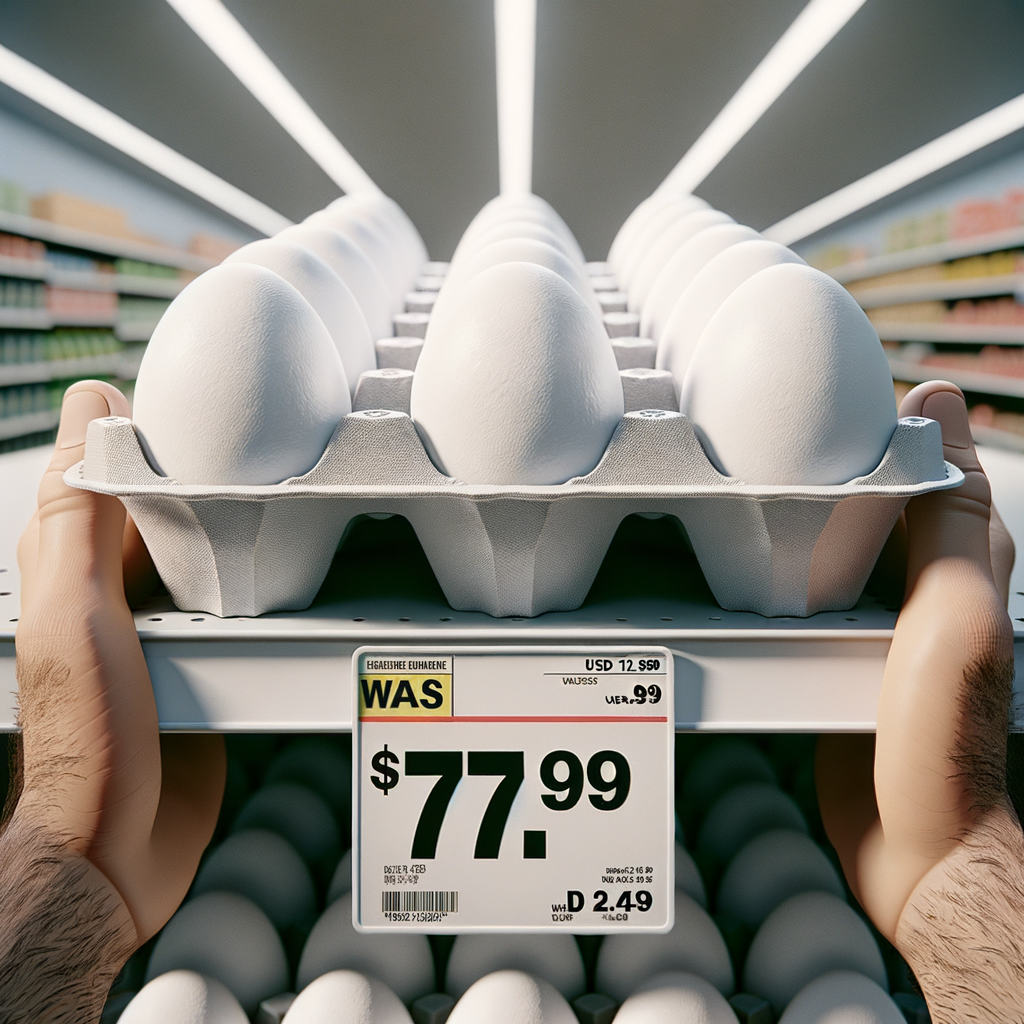
Between 2023 and 2025, egg prices in the United States increased by more than 200 percent. This was explained, at various times, as a consequence of avian flu, supply chain disruptions, inflation, the general difficulty of feeding chickens, and the economy broadly. These explanations were offered by egg companies, economists, and various officials. They were offered sincerely and accepted sincerely. They were the official explanations.
The Department of Justice has a different explanation.
The DOJ is preparing to file a civil antitrust lawsuit against some of the United States' largest egg producers. The targets include Cal-Maine Foods — the largest egg producer in America — and Versova. The allegation is that they coordinated pricing through an information service that benchmarks prices for the egg industry.
(An information service that benchmarks prices is a system where companies in the same industry share data about what they are charging for things. This allows them to understand the market. "Understanding the market" and "coordinating pricing" are not the same thing legally. They are very similar things practically.)
The DOJ reports that egg prices began to fall after their investigation became public. This is notable. Avian flu did not become less severe when the investigation was announced. Supply chains did not improve at the precise moment someone at the DOJ started making calls. Inflation did not reverse course. The eggs themselves remained unchanged. The only thing that changed was that the companies became aware they were being watched.
Cal-Maine Foods is the largest egg producer in the United States. In fiscal year 2025, when eggs were expensive, Cal-Maine reported revenues of over three billion dollars. Cal-Maine's stock performance during periods of high egg prices is, in the language of financial analysts, "strong." Cal-Maine has stated that they believe their pricing practices are lawful. This is a thing companies say.
The information service that allegedly served as the coordination mechanism has not been named publicly. The information service is described as an industry standard resource. Many industries have information services. These services exist to help companies understand pricing. "Understanding pricing" is not illegal. Neither, technically, is knowing what your competitors charge. What is potentially illegal is using that knowledge in ways that the Department of Justice would describe as "coordinated."
The lawsuit has not yet been filed. The DOJ is preparing to file it. The distinction between preparing to file a lawsuit and filing a lawsuit is significant to the companies involved and largely invisible to the eggs.
The eggs are the same eggs they were in 2022. The chickens are the same chickens. The supply chain is approximately where it was. The prices are lower now, following the investigation becoming public.
There is no clean explanation for this. The clean explanation had avian flu in it. The current explanation involves a benchmark.