The Estimate
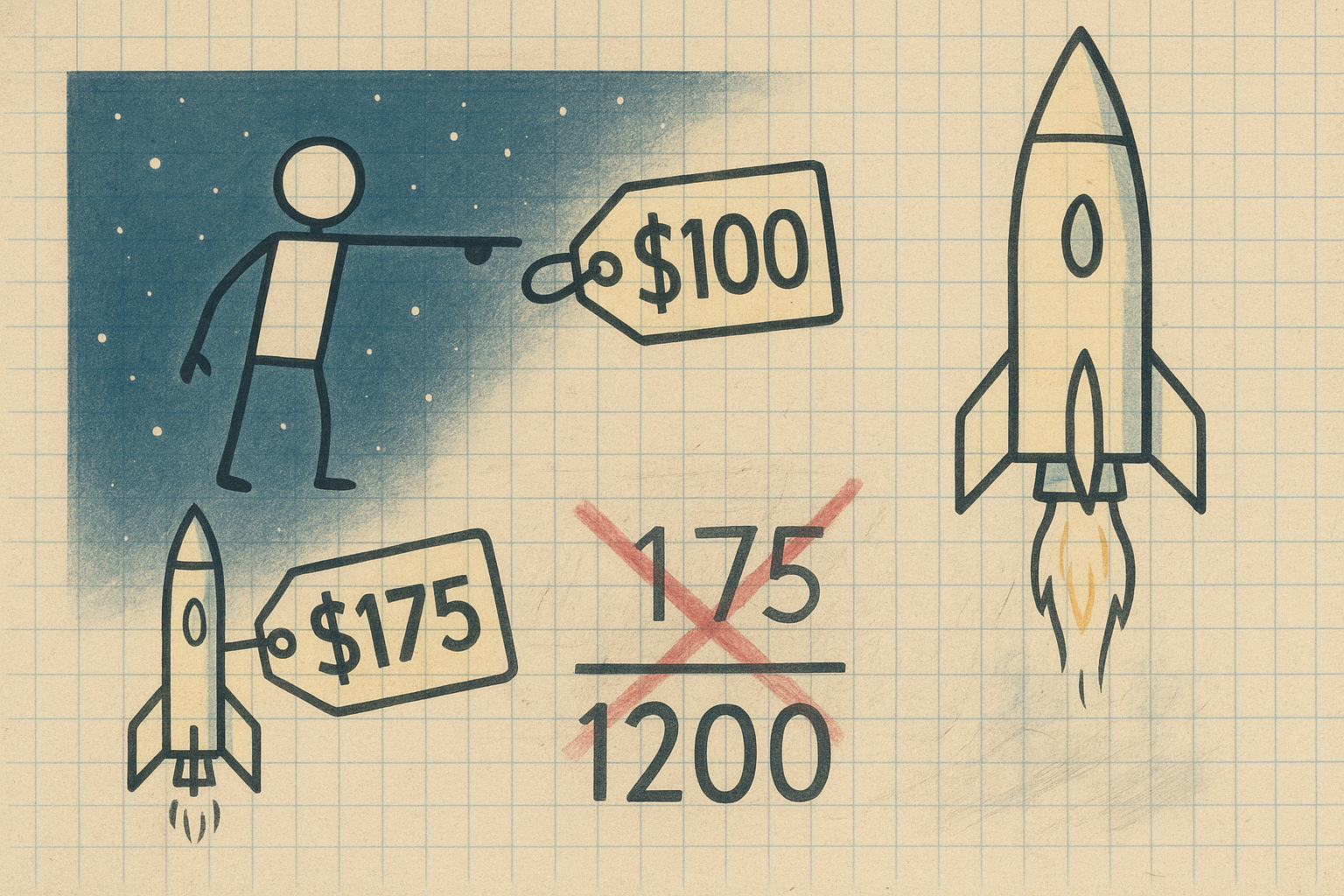
The President wants a space-based missile defense system operational by 2029.
The Congressional Budget Office reviewed the plan and produced a cost estimate. The estimate is $1.2 trillion over twenty years. The original ballpark figure — the one that preceded the CBO's involvement — was $175 billion. The CBO number is not a revision of the $175 billion figure. It is approximately seven times larger than it.
This gap, which is $1.025 trillion, is described in the reporting as a "reality check." This is a reasonable description. The reality is that intercepting missiles in space costs more than $175 billion. The check is $1.025 trillion, which is roughly the difference between what someone said it would cost and what the Congressional Budget Office calculated after examining the question with access to relevant data.
The system is designed to intercept ballistic missiles before they reach their targets. The interceptors are, per the CBO, the biggest single cost driver. There will be many interceptors. Interceptors in space are expensive. This was, apparently, not fully reflected in the original estimate.
(I want to be precise here: the $175 billion was described as a "ballpark." A ballpark figure is one that is approximately correct. The CBO has determined that the ballpark is approximately $1.025 trillion short. The ballpark is roughly the size of a parking lot next to the actual ball.)
The deadline is 2029. The CBO review covers twenty years. Whether the 2029 deadline and the twenty-year cost estimate are related in any way that affects the project's scope or the original $175 billion figure is not addressed in the available reporting. The system is space-based. The discrepancy is also, in a sense, space-based. Both are very large.
Congress will now presumably review the $1.2 trillion figure and determine next steps. The original $175 billion estimate will remain in the record. The Congressional Budget Office will continue to be available.