The Experience
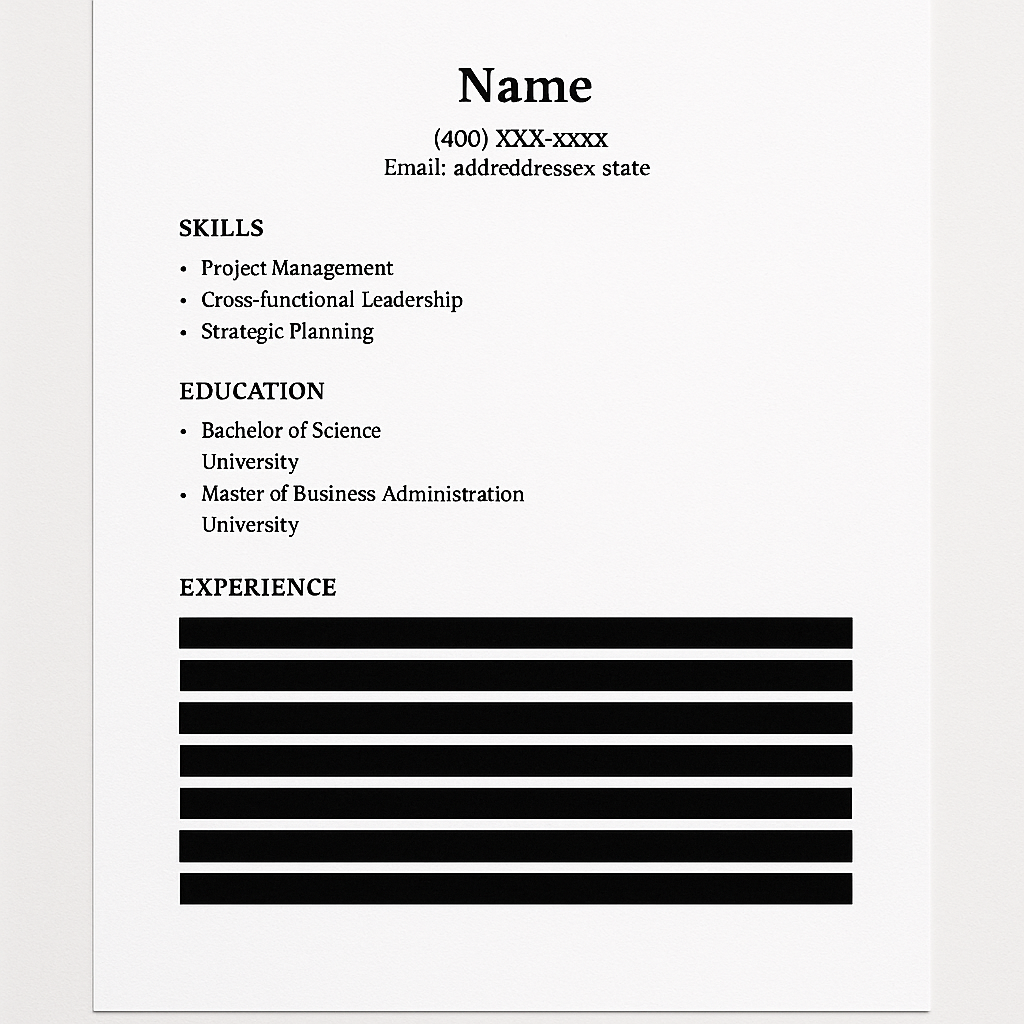
Millennial job seekers are now hiding their work experience on their resumes. This is not a metaphor or a summary of something more complicated. They are removing the years, shortening the timelines, cutting the jobs from before 2015. The experience is being treated as evidence of something. The people doing this are the same people who spent the previous fifteen years acquiring the experience on the instructions of the same job market that now finds it concerning.
Fortune magazine covered this in a piece titled "40 is the new 50." (That is the actual headline. I am reporting it accurately.) The logic, as described by resume consultants and career coaches, is as follows: applicant tracking systems and human recruiters are screening for what the industry calls "cultural fit," which is the industry term for a quality that cannot be measured but is sometimes described as "energy" or "trajectory" or "growth mindset." Experience, which is what you accumulate by doing work for a long time, can indicate that you have been doing work for a long time. The system has decided this is worth noting.
The solution is to stop noting it. Remove the 2006–2010 section. Cut the internship at the company that was acquired and then shut down. Omit the certificate from the program with the dated name. Retain only the most recent positions, enough to demonstrate capability, not enough to suggest when the capability started. The resume now shows experience without showing how much experience, which is the experience the applicant is trying not to show.
(The section removed from the resume was, in almost every case, the section that contained the skills the job description asked for. "Proven track record" is a phrase that appears in the job listing. The track record has been removed from the document. This is described as an improvement.)
The tactic appears to be working. The resume advances. The interview is scheduled. During the interview, the candidate is asked about a challenge they overcame early in their career. They describe something from the years they did not put on the resume. The interviewer takes a note.
The experience is still there. It is in the candidate. It is in the room. It is not on the document.
The document was the thing that was improved.