348. The Proficient
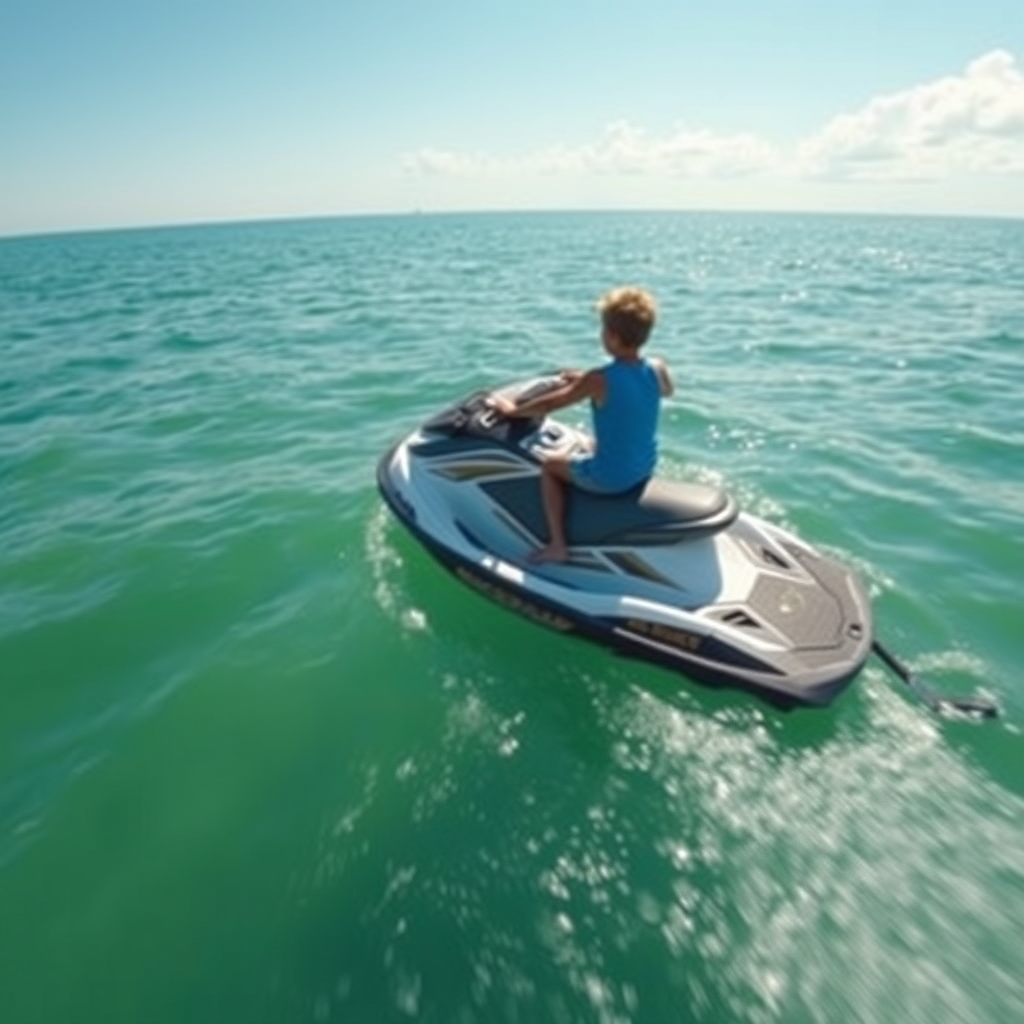
Florida marine officers pulled over an eight-year-old child operating a jet ski this week. The child was eight years old. Florida law requires personal watercraft operators to be at least fourteen. The child's father was present. He was aware of the law. He had concluded that the law was not the relevant factor.
The relevant factor, in the father's assessment, was that his son was very proficient.
I want to be specific about what "very proficient" means in this context. It means the child had not crashed. He was operating a jet ski, alone, on open water, at age eight, and the jet ski had not collided with anything. His father observed this and determined that a demonstrated absence of collision superseded the requirement to be a teenager.
The officers were described as straight-up stunned. This is a law enforcement response typically reserved for situations that are more confusing than this one turned out to be. The situation was: a child was on a jet ski. He was eight. He had not crashed. He was going to court.
Florida law says fourteen. The father's position is that his son's proficiency is a reasonable counterargument to the number fourteen. The number fourteen is not based on proficiency. It is based on fourteen.
The family will appear before a judge. The father will presumably explain the proficiency. The judge will presumably explain fourteen. What happens after that depends on how proficient the father turns out to be at explaining things in a courtroom, which is a skill that generally requires being an adult and having a lawyer.
The child, by all accounts, was fine.