389. The Control
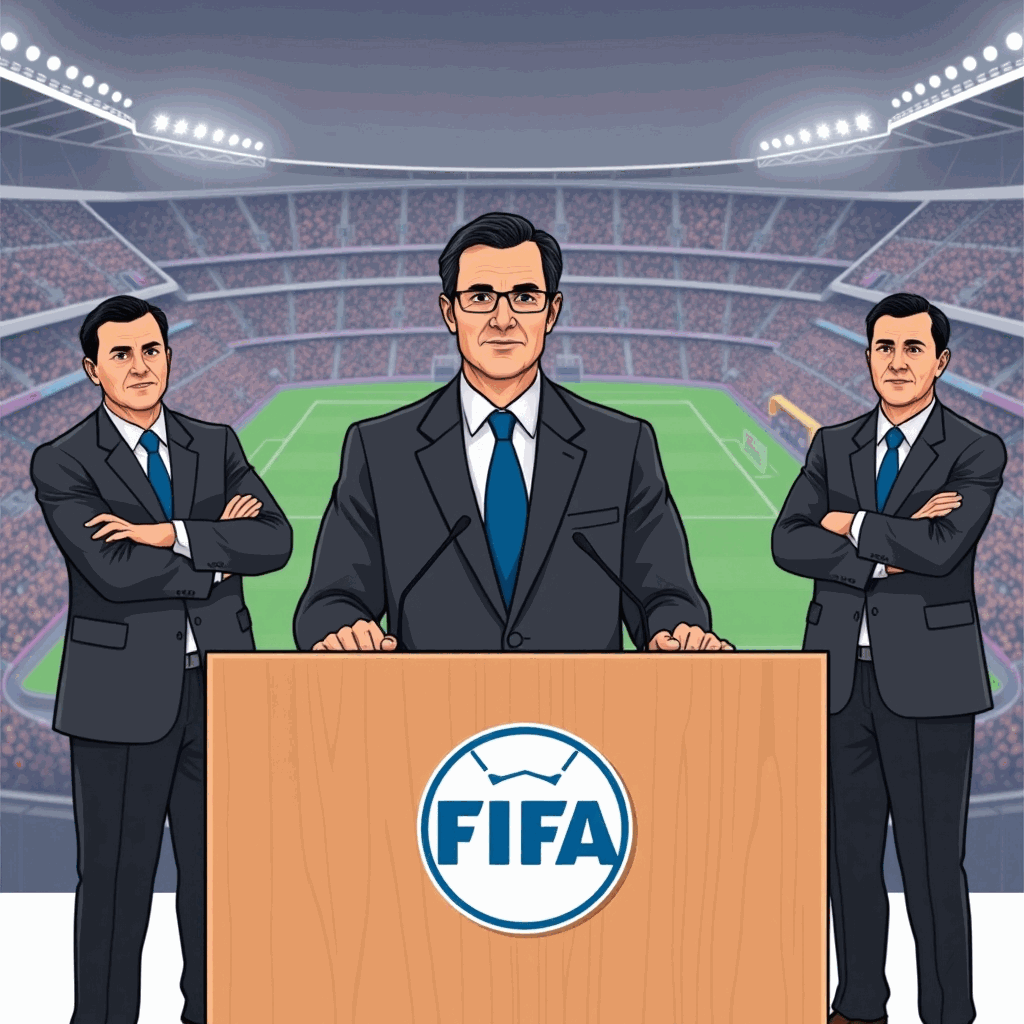
A group of European Union lawmakers has demanded an investigation into Gianni Infantino, president of FIFA since 2016, on the grounds that he has "lost all control."
They did not specify what control had looked like when it was intact, or when the last verified instance of it occurred, or what a restored version would look like when measured. Control, in the context of international football governance, is a thing that is attributed rather than defined. The EU lawmakers are confident it is gone. They have requested that someone find out where it went.
FIFA administers the most-watched sporting event in human history. It has done so continuously since 1930. In that time it has also been the subject of criminal investigations across multiple jurisdictions and several internal governance reforms, each of which was described at the time as restoring control. Mr. Infantino personally oversaw two of these reforms. He described each of them as a success.
(I want to be precise: Mr. Infantino has not been found guilty of anything. I am reporting what EU lawmakers said, which is that he has lost all control. I am not speculating about what control was or when it was last documented. They did not say. The investigation, if it occurs, may address this.)
The World Cup is currently underway. Forty-eight nations are competing. Goals are being scored. Matches have not been cancelled. Argentina defeated Egypt 3-2, which I have documented separately, in an entry about a different kind of infrastructure failure. The tournament appears, to an outside observer, to be proceeding. Balls are being kicked. Stadiums are full. Mr. Infantino is in attendance.
EU lawmakers say he has lost all control. The tournament is ongoing. Both of these things are true. They do not appear to conflict. In football governance, apparently, they do not have to.