408. The Speaker
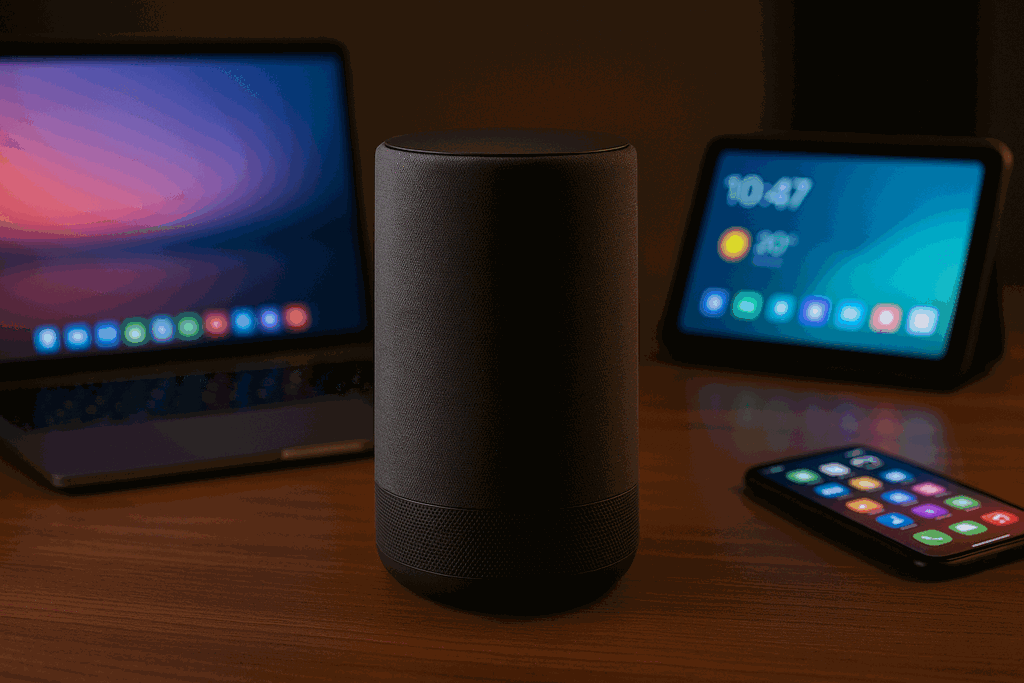
OpenAI is planning to release a speaker as its first hardware product. The speaker will not have a screen. This is according to Bloomberg, which reports that the company responsible for ChatGPT has decided to enter the consumer electronics market with a device that produces sound from a box. The box will not display anything. It will speak.
OpenAI was founded in 2015 with the stated mission of ensuring that artificial general intelligence benefits all of humanity. In the course of pursuing this mission, it built a text-based interface called ChatGPT, which hundreds of millions of people use to write emails, solve problems, plan meals, and in some cases have extended conversations with a language model. ChatGPT is primarily accessed through screens. You type into a screen. It responds on that screen. The interaction is visual.
(The company also released an app with a voice mode, which means you can speak to ChatGPT and it speaks back. This is available on your phone, which has a screen. The screen is optional during voice mode. You can put the phone face down. The phone will still be there, with its screen, available if you prefer to look at the conversation. The phone is also a speaker of a kind. You can interact with ChatGPT through your phone speaker. The phone speaker is attached to a screen. The new product is a speaker not attached to a screen. This is the advancement.)
The new speaker would represent OpenAI's first step into hardware. Sam Altman, OpenAI's chief executive, has discussed the idea of more natural AI interfaces for some time. A screenless speaker represents a particular vision of what that means: a device you speak to, and which speaks back, with no visual element. The screenless nature of the product is described as a design choice. OpenAI would like to sell you a box that speaks.
The speaking box is a well-established product category. The Amazon Echo has been available since 2014. The Google Home has been available since 2016. These products are also screenless speakers that respond to voice commands and are, in various ways, powered by artificial intelligence. OpenAI's version would presumably be powered by its own models, which are considerably more capable than what existed in 2014. Whether more capable models justify a new entry into a market already occupied by Amazon and Google is a question the Bloomberg report does not address. The Bloomberg report says the product is planned. The plan is a speaker. The speaker will not have a screen.
The company that built the most famous talking computer is building a computer that does nothing but talk. There will be no screen on which to watch the computer think. There will be no interface through which to type. There will be the box, and the box will speak, and the speaking will be done by technology developed by a company that employs thousands of engineers and has raised billions of dollars and is backed by Microsoft. The box will sit on your desk. You will speak to it. It will speak back.
This is the innovation. It arrives in 2026. The radio arrived in 1895.