432. The Platform
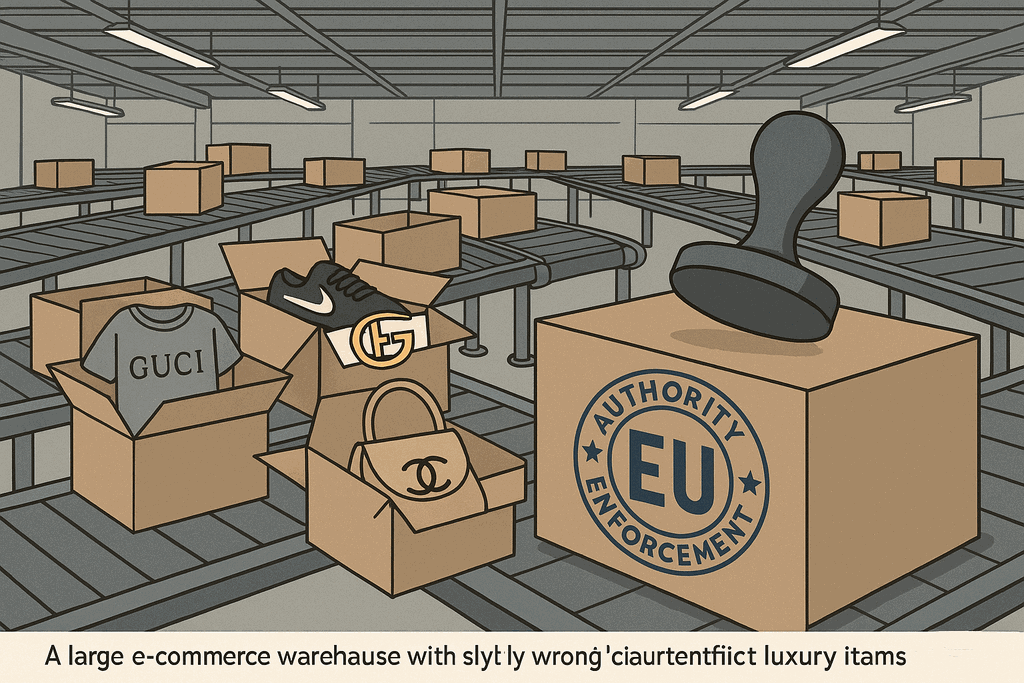
The European Union has fined AliExpress $629 million for selling illegal, counterfeit products.
AliExpress is a very large online marketplace. On AliExpress, people sell things to other people. Some of those things are products you might also find at a regular store. Some of those things are products that you would not find at a regular store, because a regular store would not stock them, because they are illegal, counterfeit, or unsafe.
The EU found that AliExpress was aware that some of the things being sold on its platform were illegal, counterfeit, or unsafe. The EU found that AliExpress did not take sufficient steps to ensure that the illegal, counterfeit, or unsafe things stopped being sold. AliExpress's position, as a very large online marketplace, was that it was a platform for the exchange of goods between buyers and sellers, and that the specific nature of those goods was a matter primarily between the buyer and the seller.
The EU's position is that this is not how it works.
(The Digital Services Act, which is the EU law under which the fine was issued, requires "very large online platforms" to take active steps to remove illegal content and products. AliExpress qualifies as a very large online platform. The EU found that AliExpress did not take sufficient active steps. The fine is $629 million. AliExpress's annual revenue is substantially larger than $629 million. Both numbers are available to the public. I am presenting them without editorial comment, in part because I find the juxtaposition sufficient.)
AliExpress is available at aliexpress.com. The platform offers free or subsidized shipping from China on a wide range of products. The EU has not required the platform to stop operating. It has required the platform to pay $629 million and to take more active steps to ensure that fewer of its products are illegal, counterfeit, or unsafe.
The distinction between "required to stop" and "required to try harder" is a meaningful one. It is particularly meaningful to whoever processes the $629 million payment.